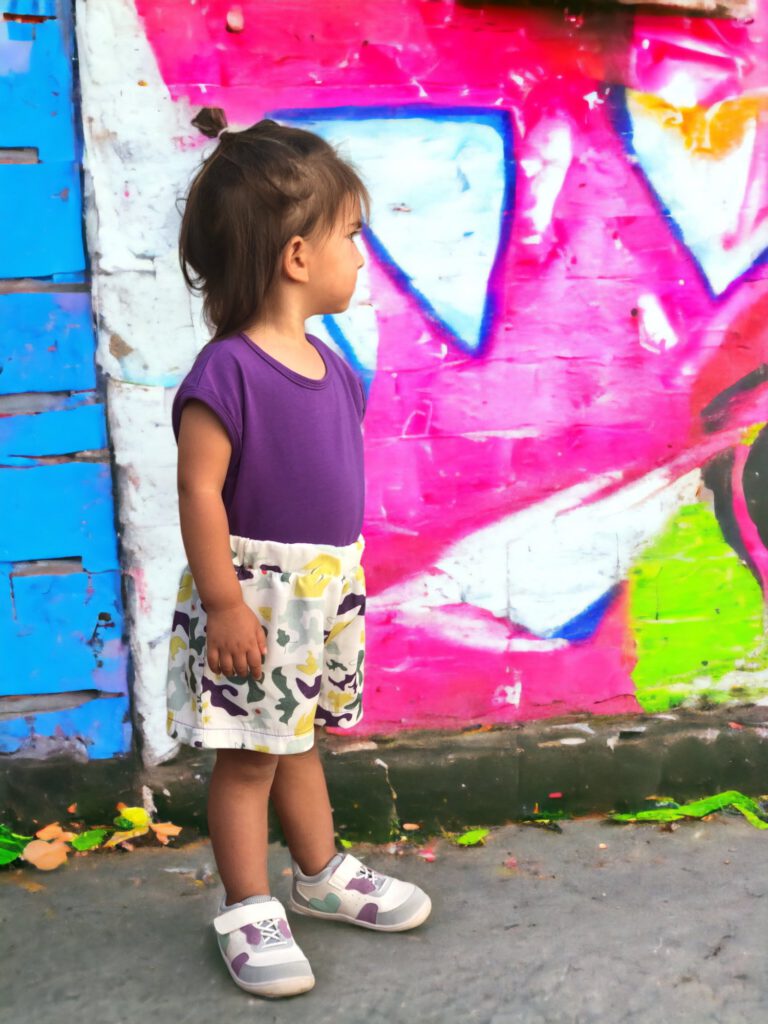
Dressing Kids for a Natural Life
At The WILD, our mission is simple: to help families
enjoy more time in nature — comfortably, consciously, and sustainably.
A big part of that mission is choosing natural fibers for everything
we create. But what makes natural materials better than synthetic
ones?
Whether it’s soft merino wool, breathable linen, or gentle TENCEL™,
natural fabrics offer a long list of benefits — not just for your
child’s comfort and wellbeing, but also for the health of the planet
they’re growing up in.
What Are Natural Fibers?
Natural fibers are materials sourced from plants or animals — like:
Wool (from sheep)
Linen (from flax)
Cotton (from the cotton plant)
TENCEL™ Lyocell (from sustainably harvested wood pulp)
Unlike synthetic fibers (like polyester or nylon), which are derived
from petroleum, natural fibers are renewable, biodegradable, and
breathable. That makes a huge difference for both children’s health
and environmental impact.
Benefits for Kids: Comfort Meets Care
- Better Breathability
Natural fibers allow the skin to breathe, regulating body temperature
in all seasons. Kids sweat, run, nap, and play — and natural fabrics
like wool and linen help prevent overheating and discomfort. Gentle on Sensitive Skin
Natural fibers are free from harsh chemicals, making them the best
choice for babies and kids with sensitive skin or conditions like
eczema. TENCEL™, for example, is hypoallergenic and smooth, while
merino wool is naturally soft and itch-free.Moisture-Wicking and Odor Resistant
Unlike synthetics that trap moisture, natural fabrics absorb and
release sweat, helping to keep skin dry and comfortable. Wool and
TENCEL™ even have antibacterial properties that reduce odors — perfect
for everyday wear.Durability and Longevity
High-quality natural fibers are surprisingly strong. Wool resists
wear, linen softens over time without breaking down, and TENCEL™
maintains color and shape wash after wash. That means more wear, less
waste, and hand-me-downs that still look beautiful.
Benefits for the Planet: Nature Supporting Nature
- Renewable and Biodegradable
Natural fibers come from plants and animals, not oil. That means
they’re renewable and — most importantly — biodegradable. A wool or
TENCEL™ shirt breaks down in compost, unlike polyester which can
linger in landfills for hundreds of years. - Lower Carbon Footprint
Producing natural fibers (especially organic and low-impact ones like
TENCEL™ and wool) uses less energy, fewer chemicals, and less water
than synthetics. Flax for linen, for instance, needs hardly any
irrigation. - No Microplastic Pollution
Washing synthetic clothes releases tiny plastic fibers (microplastics)
into water systems. Natural fabrics shed no plastic, keeping oceans
and rivers cleaner for generations to come. - Supports Ethical and Local Farming
Choosing natural materials often supports sustainable farming
practices and rural communities. Wool, for example, can be sourced
from ethical farms with regenerative grazing, and flax is often grown
with few chemicals.
A Smarter Wardrobe, One Piece at a Time
When you choose natural fibers for your child, you’re making a
conscious decision for comfort, health, and sustainability. You’re
choosing clothes that:
Feel good on delicate skin
Last through seasons of play
Return to the earth without a trace
At Wild Yarn and Wildly Kids, every fiber we use is chosen with care.
We design our collections to move with your child, respect the planet,
and support slow, intentional living.
Because nature is not only where our kids play — it’s where their future begins.
Join the Movement
Explore our collection of natural fiber clothing for kids — designed
for adventure, built for comfort, and crafted with sustainability at
heart.
Let’s raise wild, free, and conscious children — one outfit at a time.